What to Know About Diesel-Powered Machines

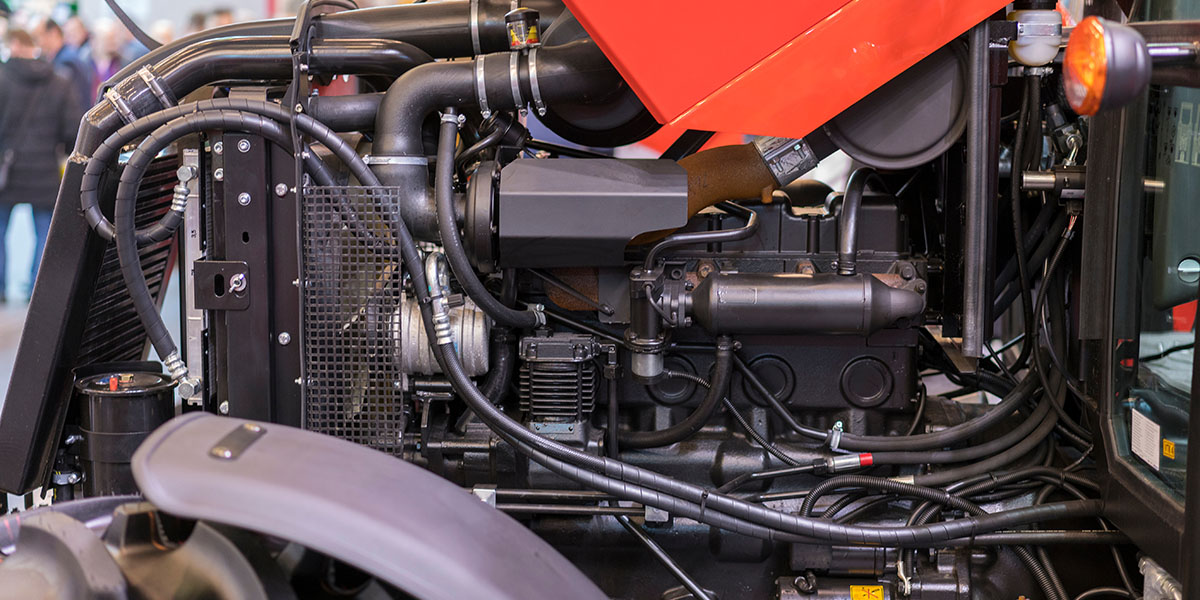
Diesel-powered machines play an important role in agriculture, construction, landscaping, transportation, and many other industries. From tractors and excavators to skid steers and loaders, diesel engines are common in equipment that needs to deliver substantial power and operate under demanding conditions.
While diesel engines have been around for decades, today’s machines are different from older diesel equipment. Advances in engine technology and emissions standards have introduced new systems and operating considerations. Here is everything you need to know about diesel-powered machines.
Why Diesel Engines Are Used in Heavy Equipment
Diesel engines are well suited for heavy equipment because they produce substantial torque at relatively low engine speeds. This characteristic is useful when a machine needs to move heavy loads, climb inclines, or dig into tough material.
Diesel engines are also designed for sustained operation. Equipment such as tractors and excavators may spend hours working nonstop, making durability and fuel efficiency important considerations.
Diesel fuel also contains more energy per gallon than gasoline, which can contribute to greater fuel economy. However, actual fuel consumption depends on the machine, engine size, workload, terrain, and operating conditions.
There are tradeoffs, though. Diesel engines can be more expensive and complex than gasoline engines, and modern emissions-control equipment adds additional components that require proper operation and maintenance.
Understanding Diesel Fuel
Diesel engines rely on compression rather than a traditional spark plug to ignite the fuel. Air is compressed to a high temperature inside the cylinder, and fuel is then injected into the compressed air.
Because diesel fuel and fuel systems are so important to engine performance, keeping the fuel clean is essential. Water, dirt, and other contaminants can damage fuel-system components and affect engine performance.
Operators should also pay attention to fuel storage. Diesel that sits for extended periods of time can degrade, and poorly maintained storage containers can introduce contaminants into the fuel.
Modern Diesel Engines and Emissions
Today’s diesel equipment is considerably cleaner than older generations of diesel engines. Stricter emissions standards have led manufacturers to incorporate technologies designed to reduce pollutants from diesel exhaust.
Depending on the engine and equipment, these systems may include exhaust gas recirculation (EGR), diesel particulate filters (DPFs), selective catalytic reduction (SCR), and diesel exhaust fluid (DEF).
A DPF captures soot from the exhaust. The accumulated material must periodically be burned off through a process called regeneration. The specific regeneration process varies by machine, so operators should understand the procedures outlined in the owner’s manual.
Some newer diesel machines also use DEF as part of an SCR system. DEF is injected into the exhaust system to help reduce nitrogen oxide emissions. It’s not a fuel additive and should never be poured into the diesel fuel tank. DEF has its own tank and must be kept at the appropriate level.
It’s worth noting that not every diesel machine uses all of these technologies. The systems found on a particular piece of equipment depend on different factors.
Maintenance Matters
Regular maintenance is essential for diesel-powered equipment. Following the manufacturer’s recommended service schedule can help protect the engine and other major components. Common maintenance tasks include changing engine oil and filters, replacing fuel filters, inspecting air filters, checking coolant levels, and maintaining belts, hoses, and other components. Hydraulic systems, transmissions, and cooling systems may also require regular inspection. Maintenance requirements vary significantly from one machine to another, so the owner’s manual should be the primary source for service intervals and procedures.
Operating a Diesel Machine
How a diesel machine is operated can affect its performance, fuel consumption, and longevity. Operators should avoid unnecessarily overloading the machine and should use the appropriate engine speed and operating mode for the task.
Machines equipped with emissions-control systems may have additional operating requirements. For example, DPF-equipped equipment needs to complete regeneration under conditions specified by the manufacturer. Interrupting or repeatedly preventing regeneration can eventually lead to performance issues.
Warm-up and shutdown procedures can also vary by machine. Rather than relying on general rules, operators should follow the manufacturer’s recommendations for starting, warming up, idling, and shutting down the engine.
Diesel Power Has Its Limits
Although diesel engines are great for demanding work, they’re not automatically the best choice for every application. Diesel equipment can have higher purchase and repair costs, and modern emissions systems add complexity. Diesel engines can also be louder and heavier than comparable gasoline engines.
For equipment that only experiences light use, the benefits of diesel power may not outweigh those added costs and complexities. But for machines that regularly perform heavy-duty work, diesel might be a practical choice.
Understanding how diesel engines and their supporting systems work is an important part of operating heavy equipment effectively. Whether you’re operating a tractor on a farm, an excavator on a construction site, or another type of diesel-powered machine, taking care of the engine is only part of the equation. Knowing how the equipment is designed to operate can help maximize its performance, efficiency, and service life.
Shelby Ballou