Which Wheel Loader is Best for You?

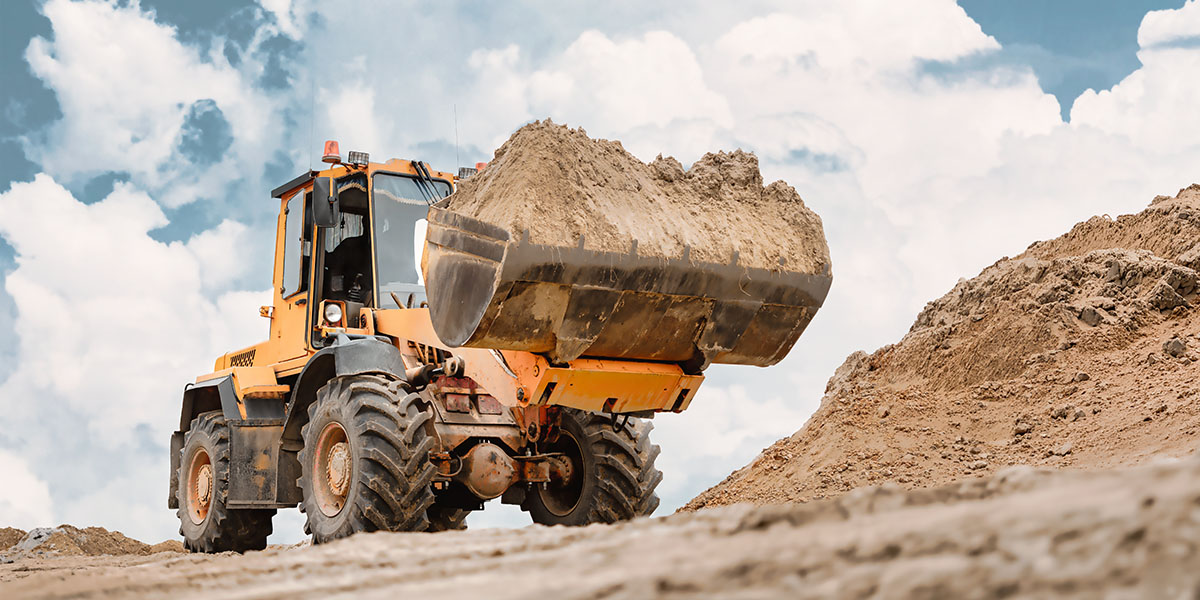
When you’re shopping for heavy equipment, it’s easy to start with the machine itself. You might have a certain brand in mind, compare horsepower, or start scrolling through listings to see what catches your eye. But before you get too far into the search, there’s a more important question to answer: Is a wheel loader actually the right machine for the work you need to get done?
Wheel loaders are built to move material efficiently, making them a valuable addition to construction sites, aggregate operations, landscaping businesses, farms, and other applications. Their versatility and range of sizes make them useful for everything from loading trucks and stockpiling material to clearing jobsites and moving dirt, gravel, and other heavy materials. But that versatility also means there isn’t a one-size-fits-all answer when it comes to choosing one.
The best place to start is with the job.
What Do You Need the Wheel Loader to Do?
Before comparing equipment listings, take a close look at the work ahead. What materials will you be moving, how much of them need to be moved, and how frequently will the machine be working?
These questions can help you determine what kind of wheel loader will make sense for your operation. A contractor moving large amounts of aggregate throughout the day will have very different requirements than a landscaper using a loader to move mulch, soil, or stone between projects.
It also helps to think about the conditions where the machine will operate. Consider the size and layout of the jobsite, ground conditions, available space, and the distance materials need to travel. A loader working on an expansive aggregate site may have plenty of room to maneuver, while a machine working on a smaller construction or landscaping site may need to be more compact and agile.
Here are some questions to use to start running the numbers. Ask yourself:
- What materials am I moving, and what’s their density?
- How much do I need to move per hour or per shift?
- How far does that material need to travel on my jobsite?
Having those answers can give you a much clearer idea of the machine’s capacity and performance requirements.
What Size Wheel Loader Do You Need?
Once you have a better understanding of the job, you can start thinking about size. Wheel loaders are available in a wide range of configurations, and choosing the right size comes down to matching the machine to the work rather than simply opting for the biggest loader you can afford.
A larger wheel loader may offer greater lifting capacity, more power, and a larger bucket, which can be beneficial when you’re moving significant quantities of heavy material. At the same time, a larger machine can require more fuel, take up more operating space, and can be difficult to maneuver in tighter jobsites.
On the other hand, choosing a loader that’s too small for the workload might have you making additional passes or struggling to maintain the productivity your job demands. That’s why it’s important to consider your expected material volume, travel distance, and working conditions.
The right size should give you enough capacity to get the job done efficiently without adding more machine than your application requires.
How Much Bucket Capacity Do You Need?
Bucket size goes hand in hand with the size of the wheel loader. A larger bucket can move more material with each pass, but bigger isn’t always better.
The type and density of the material you’re handling should play a major role in your decision. Heavy materials put greater demands on the machine, while lighter materials may allow you to take advantage of more bucket capacity. You’ll also want to make sure the bucket is properly matched to the loader’s lifting capabilities and operating specifications.
Think about your typical workday. How much material are you trying to move, and how many trips does it currently take? If your production goals require the loader to make constant passes, additional bucket capacity may help improve efficiency. But if a larger bucket compromises maneuverability or places too much demand on the machine, it may not actually make the job faster.
How Much Power and Powertrain Capability Will You Need?
Horsepower is an important consideration, but it shouldn’t be the only specification guiding your decision. Just as important is how that power gets to the ground.
Consider the wheel loader’s powertrain and how it matches the conditions of your jobsite. The transmission, drivetrain, and overall power delivery can affect how efficiently the machine handles heavy loads, travels across the jobsite, and works on slopes or challenging terrain. For applications that require frequent loading and short travel cycles, responsive power delivery and smooth direction changes can be valuable.
It’s also worth considering how the machine will be used throughout a typical shift. A loader that spends hours moving heavy material may have different powertrain requirements than one used intermittently for lighter-duty loading. Matching the powertrain to the application can help you get the performance you need without paying for capabilities that won’t add value to your operation.
In other words, don’t just ask, “How much horsepower does it have?” Ask, “How well will this machine turn that power into productivity on my jobsite?”
Is a Wheel Loader Right for You?
By this point, you should have a better idea of what your ideal wheel loader needs to bring to the job. Start with the work, consider the conditions, calculate your production needs, and then use that information to narrow down the right combination of machine size, bucket capacity, and power.
From there, it’s time to compare your options. Our marketplace makes it easy to explore wheel loaders from different manufacturers and compare listings based on specifications, hours, age, condition, and included equipment.
When you take the time to define your application before you start shopping, you’ll have a much better idea of what you need—and a better chance of finding a wheel loader that can keep your operation productive for years to come.
Aysia Jackson