How to Rent Out Farm Equipment

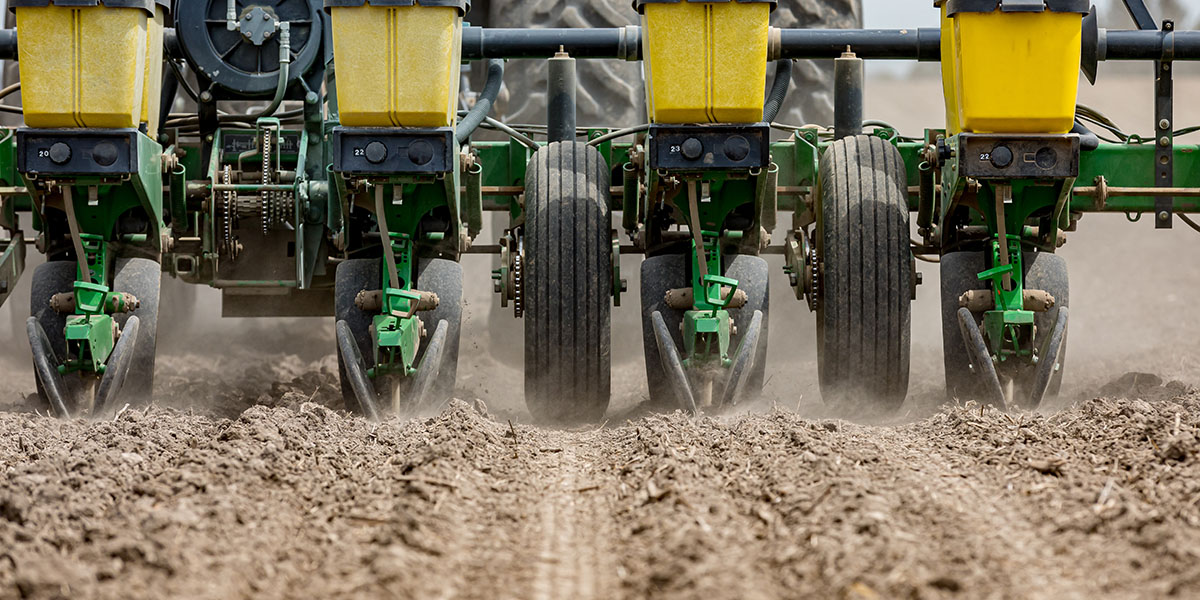
Farm equipment is a major investment, and for many owners, that equipment may sit untouched for months at a time. Renting out unused equipment can be a practical way to put your machinery to work while bringing in additional income. However, renting out farm equipment is noticeably different from selling used equipment. Owners need to think about pricing, insurance, maintenance, rental agreements, and how they’ll handle potential damage.
Whether you own a single tractor or a larger collection of agricultural machines, thinking through all of the details can make the rental process easier and more profitable.
Decide Which Equipment to Rent Out
Start by looking at the equipment you own and identifying machinery that you can reasonably live without for a period of time. Consider the condition of each machine before offering it for rent. Equipment that is unreliable or due for major maintenance can create problems for both you and the renter. Make sure the machine is in good working order, and keep records of routine maintenance and repairs.
It’s also worth considering how frequently you actually use the equipment. Renting out a machine that you need every few days during planting or harvest season may not make sense. On the other hand, equipment that normally sits unused for long stretches could provide a good rental opportunity to earn additional income.
Research Local Rental Rates
Before setting a price, find out what similar equipment rents for in your area. Check local equipment rental businesses and online marketplaces to get a sense of the going rate. Rental prices can vary based on the type and age of the equipment, its condition, attachments, rental duration, and local demand. You may charge by the hour, day, week, or another agreed-upon period. Longer rentals may justify a lower daily rate, while specialized equipment may command a higher price.
Create a Clear Rental Agreement
A written rental agreement can help prevent misunderstandings. Even if you are renting equipment to someone you know, put the important details in writing. The agreement should identify the equipment, rental period, price, payment terms, and who is responsible for transportation. It should also explain how the equipment should be used and what happens if it is damaged, lost, or returned late.
In addition, take note of the machine’s condition before it leaves your property. Photos or videos can document existing scratches, dents, worn components, or other issues. Having this record can make it easier to determine whether damage occurred during the rental period.
Check Your Insurance Coverage
Insurance is one of the most important considerations when renting out farm equipment. Your existing farm, property, or equipment policy may not automatically cover commercial or rental use. Before renting anything, contact your insurance provider and explain exactly what you plan to do. Ask whether your current policy covers equipment while it is being rented and whether you need additional coverage. You may also want to require renters to carry their own insurance. The right arrangement will depend on the type and value of the equipment, how it will be used, and the policies available in your area.
Screen Your Renters
Not every renter will be equally prepared to operate heavy agricultural equipment. Before handing over a tractor or any other machine, make sure the renter understands how to operate it safely. Ask about their experience with the equipment and provide basic operating instructions when necessary. For more complicated machinery, you may want to establish specific requirements for those who can operate it. It can also be useful to collect identification and a security deposit, particularly when renting expensive equipment to someone you do not know. The rental agreement should clearly explain when the deposit will be returned and the circumstances under which money may be withheld.
Plan For Pickup and Return
Transportation should be addressed before the rental begins. Decide whether the renter will pick up the equipment or whether you will deliver it. If you provide delivery, determine whether transportation will be included in the rental price or charged separately. At the end of the rental period, inspect the equipment before accepting the return. Compare its condition with the photos or inspection notes from the beginning of the rental. Check fluid levels, tires or tracks, attachments, and other components that may have been affected during use. If you discover a problem, document it promptly and communicate with the renter about the issue.
Be Ready to Rent
Renting out equipment can help you earn useful supplemental income, but it also comes with additional responsibility as an owner. The more frequently you rent equipment, the more important it becomes to keep organized records of rental agreements, payments, maintenance, inspections, and repairs.
For equipment owners who have machinery sitting idle, renting can be a way to get more value from an existing investment. With realistic pricing, proper insurance, clear expectations, and careful recordkeeping, you can create a rental arrangement that benefits both you and the person putting your equipment to work.
Shelby Ballou
You might also like


