Tips for Buying Dump Trailers

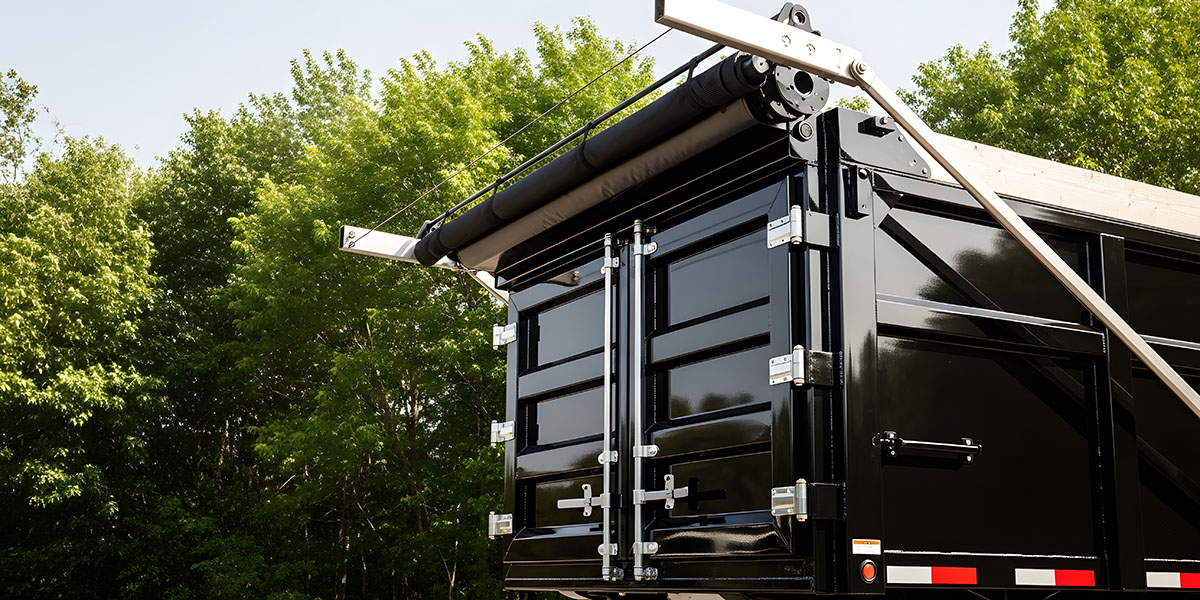
When you need to easily haul materials, a dump trailer can be a valuable addition to your equipment lineup. Dump trailers are versatile tools for loading, transporting, and unloading materials on jobsites. If you’re considering this piece of equipment for your next project, here are some tips to maximize the value of your next purchase.
Learn More About Dump Trailers
If you’ve never owned a dump trailer, start learning more about this type of equipment as you shop. Get familiar with the brands that manufacture dump trailers, such as Big Tex Trailers, PJ Trailer, and Diamond C, then browse different models to compare their sizes, hauling capacities, lifting mechanism, and other unique features. Some key things to know about dump trailers include the type of lifting mechanism and body material.
Lifting Mechanisms
There are two types of lifting mechanisms for dump trailers. A telescopic dump trailer utilizes a single, front-mounted hydraulic cylinder that raises vertically. These offer more leverage, which is ideal to dump uneven loads, and they are typically easier to maintain. Scissor lift dump trailers feature a single hydraulic cylinder between a hinged lift mechanism to provide a powerful lift at a more favorable angle.
Body Material
Dump trailer bodies are typically made of steel and aluminum. Steel is heavy duty, making it resistant to denting and damage from heavy rocks, debris, and concrete. Aluminum is lighter than steel and naturally resists rust and corrosion, however it’s more prone to damage. For the best of both worlds, galvanized steel offers the structural benefits of steel with a protective zinc coating for rust prevention.
Determine Your Must-Haves
Once you learn more about dump trailers that fit your work needs, you can start making a wish list for what you want to purchase. As you’re determining your dump trailer must-haves, you should consider what you’re planning to haul. If you’re transporting heavy construction materials or bulky debris, you’ll want a dump trailer with the payload to handle the job and a body that’s sturdy enough.
Other considerations include the dump trailer’s towing compatibility with your work truck. Check your vehicle’s towing capacity, hitch rating, and suspension to ensure it works with the trailer’s gross vehicle weight rating (GVWR). These details are important for both safety and efficiency.
Set Your Budget
Once you know what you need from your future dump trailer, set your budget. As you research different models, take the time to compare prices based on your project demands. If you’re looking to save on up-front costs, consider buying a used dump trailer. Just be sure to factor potential maintenance and repair costs into your overall budget.
Start Shopping For-Sale Dump Trailers
Now that you know what you’re looking for, and you’ve determined what you want to spend on a for-sale dump trailer, it’s time to start shopping. As you’re looking through listings, don’t limit yourself to just the inventory you find at local dealerships. The Equipment Trader online marketplace gives you access to a nationwide selection of new and used dump trailers from both dealers and private sellers. You can also view photos and videos, read descriptions, and contact sellers all in one place at your convenience.
Perform an Inspection of the For-Sale Dump Trailer
If you’re able, take the time to inspect your potential purchase. This is definitely important if you’re buying a used dump trailer that’s seen heavy use. This is your chance to get an up-close look at the trailer and make sure it’s in a suitable condition that’s worth your money. You can also ask the seller for a demonstration so you can see the equipment in action, and get a better understanding how you’ll be using a dump trailer that will meet your work needs. As you’re inspecting the dump trailer, pay close attention to the condition of these components:
- Trailer body, including floor and walls
- Hydraulic cylinder
- Brakes
- Axles
- Tire tread
Follow Up on Paperwork
Once you’ve found the right dump trailer, it’s time to finalize your purchase. Make sure you get a receipt, invoice, or some official proof to document the sale. If you’re buying from a dealership, a reputable dealer will provide the necessary paperwork to complete this transaction.
When buying from a private seller, ask for proof of ownership to confirm that they’re legally able to sell you the dump trailer. It’s also a good idea to ask for maintenance and service records for a used dump trailer, too. This will be helpful to understand how the trailer has been cared for and make it easier to identify any previous repairs or maintenance needs.
Consider Getting a Warranty
Before you finalize your purchase, you should think about getting an equipment warranty for added protection. Some dealers offer manufacturer warranties which can help cover the cost of repairs if an issue arises. Since warranty coverage can vary, be sure to read the terms carefully to understand what’s covered, how long the coverage lasts, and whether any exclusions or service requirements apply.
Marketplace Inventory
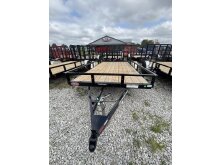
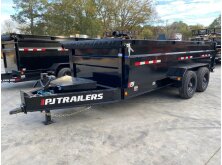
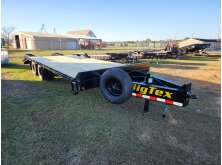
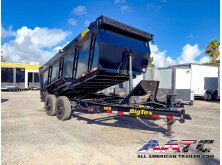
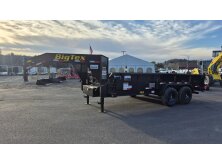
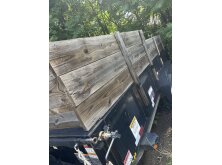
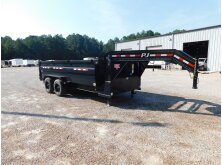
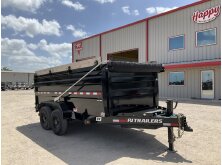
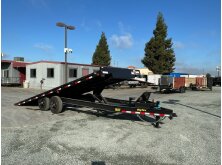
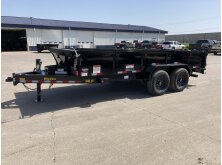
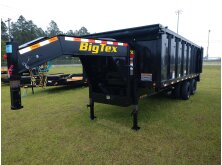
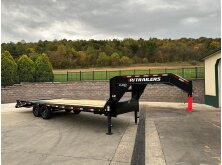
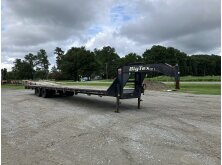
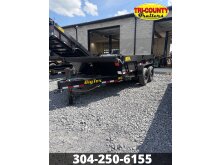
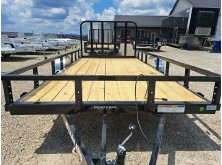
Finding the right dump trailer starts with knowing what you need for the job, from choosing the right size and payload capacity to comparing new and used listings. These tips can help you shop with confidence and find a dump trailer that works for you, your budget, and your projects.
Arielle Patterson
You might also like


